Svalbard Seasons
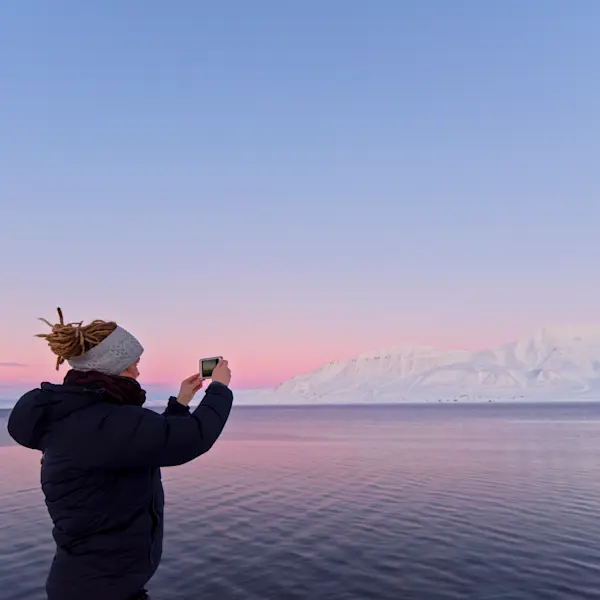
On Svalbard, three official seasons define the yearly cycle: Sunny Winter, Polar Summer and Northern Lights Winter. Each season offers distinct experiences, shaped by the unique Arctic environment. From the midnight sun reinvigorating life on the tundra to the long winter night dappled by the aurora borealis, each season offers a distinct Arctic experience and a different view of the landscape.
Discover everything you need to know about Svalbard’s seasons to start planning your visit.
Why does Svalbard have three seasons?
Svalbard lies far above the Arctic Circle, so temperatures can range from lows of -30°C in the coldest months to highs of around 10°C in the warmest months. That said, conditions remain cold year-round, and Svalbard’s seasonal changes are defined by the amount of daylight rather than the temperature.
There are three distinct seasons in Svalbard’s light cycle. Northern Lights Winter lasts from October to the end of February, when the entire archipelago is plunged into 24 hours of darkness. In March, Sunny Winter welcomes the return of the Midnight Sun, bringing 24 hours of sunlight, while temperatures remain icy. By May, Polar Summer arrives, and temperatures rise enough to melt the snow across the tundra, marking the start of the Arctic’s busiest season for wildlife.
The annual cycle of sunlight sets the rhythm for most of Svalbard’s residents. While species such as the Svalbard reindeer and Arctic fox remain on the archipelago throughout the year, several bird species, including the snow bunting and Arctic tern, migrate and return only for the summer months.
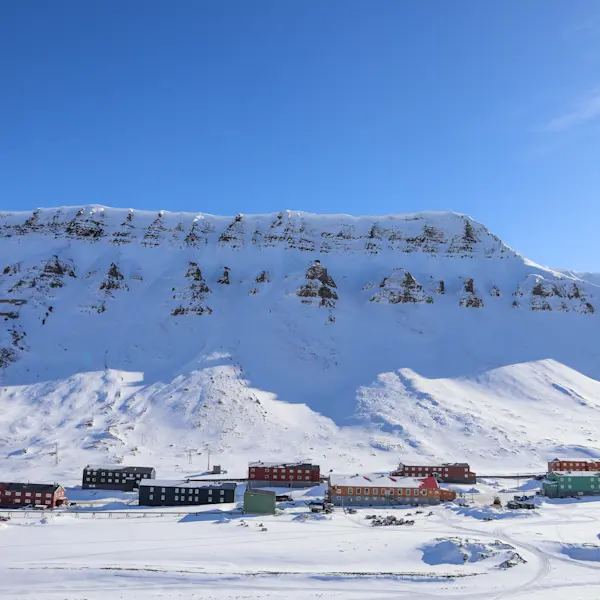
Sunny Winter | 1 March – 16 May
The perfect time to explore Svalbard by snowmobile and dog sled. Experience ice caves, go on ski expeditions – and maybe go ice bathing?

Polar Summer | 17 May – 30 Sept.
The season of midnight sun, vivid wildlife and barren landscapes. It is prime time for boat trips and hiking. If you are looking for a unique summer holiday, Svalbard is the perfect destination.

Northern Lights Winter | 1 Oct. – 28 Feb.
A season dominated by 24 hours of darkness. Experience the polar night, the northern lights, the Arctic silence, and a spectacular starry sky. Enjoy the town's fantastic local restaurants.
Phenomena of the High Arctic
Arctic light cycles produce spectacular sights you won’t experience anywhere else, giving you a chance to see conditions unique to Svalbard.
The Northern Lights
The shimmering northern lights, or aurora borealis, have captured the imagination of different cultures around the world for centuries. For the Vikings, the northern lights were slain heroes lighting up the night sky. For the Sámi, they were the spirits of the dead. Today, the science behind the phenomenon feels just as magical.
What causes the northern lights?
Magnetic fields in the Earth’s atmosphere funnel electrically charged particles toward the poles, where they collide with atmospheric gases and emit visible light. This dancing matter creates an awe-inspiring tapestry of colour in the sky, with iridescent threads of pink, blue, purple and green.



Midnight Sun
When the midnight sun returns to Svalbard in April, it doesn’t dip below the horizon again until August. For many, this period of endless light feels like one long day. During this time, Svalbard’s wildlife slowly emerges after the long, dark winter. Animals shed their winter coats, birds return to nest after long migrations, and the hardiest plants fight their way to the surface.
What causes the midnight sun?
The midnight Sun is caused by the Earth’s axial tilt, or the angle at which the planet orbits the Sun. As Svalbard lies between mainland Norway and the North Pole, Earth’s rotation keeps the archipelago facing the Sun throughout the entirety of summer. There’s no sunrise or sunset, just continuous daylight.
Wildlife through the seasons
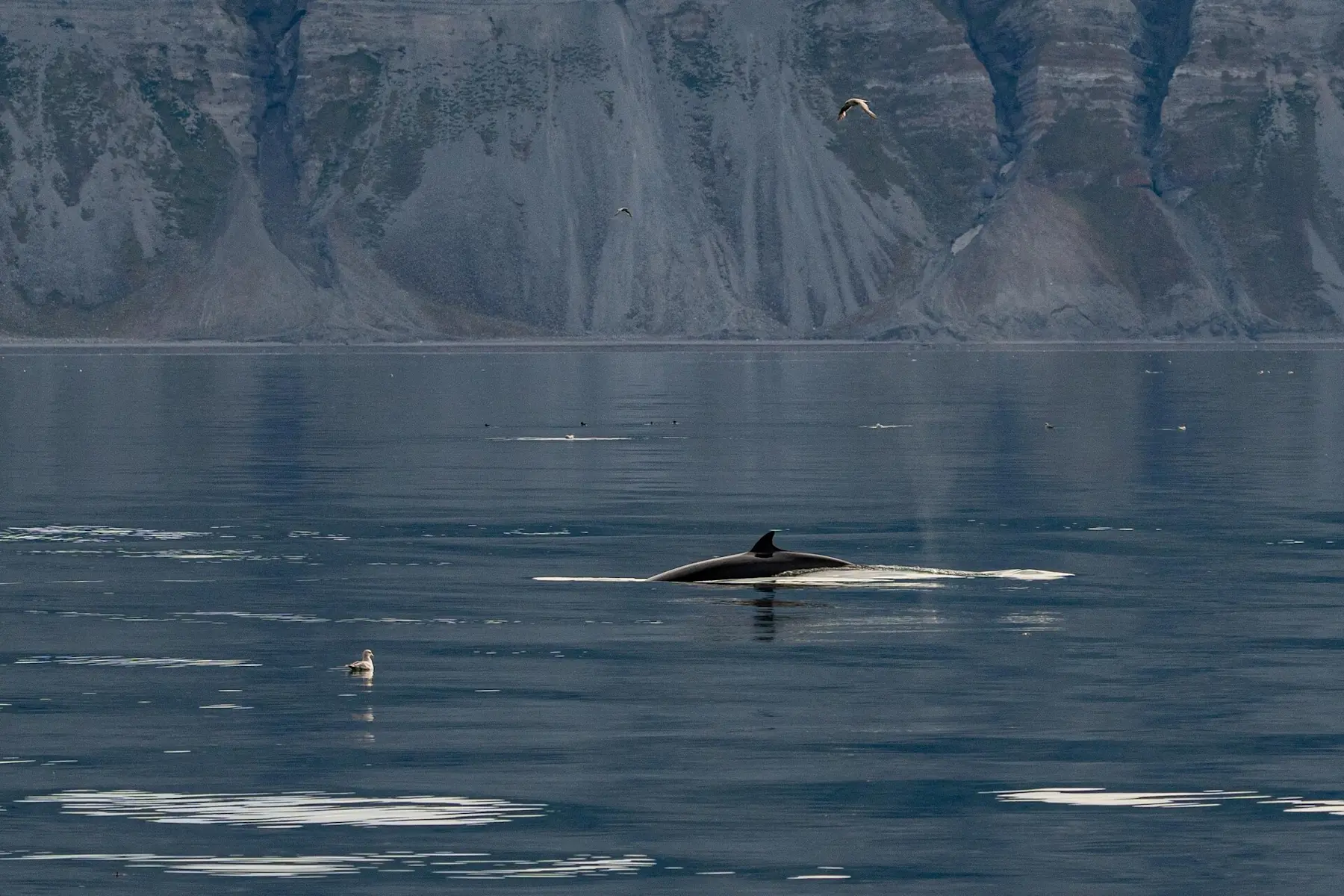
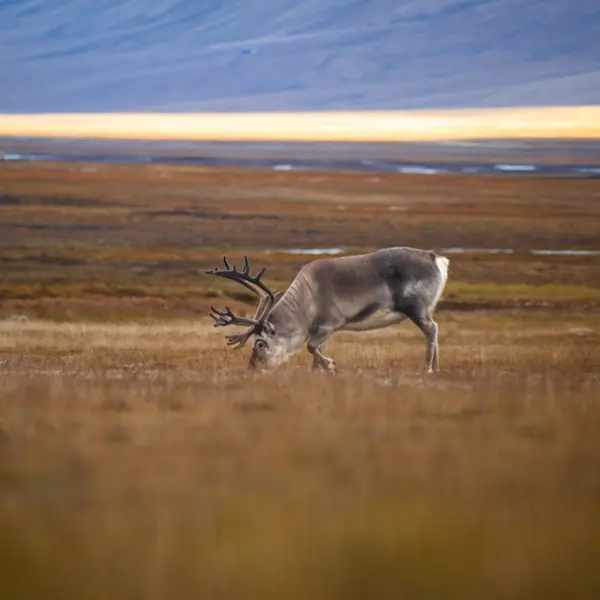
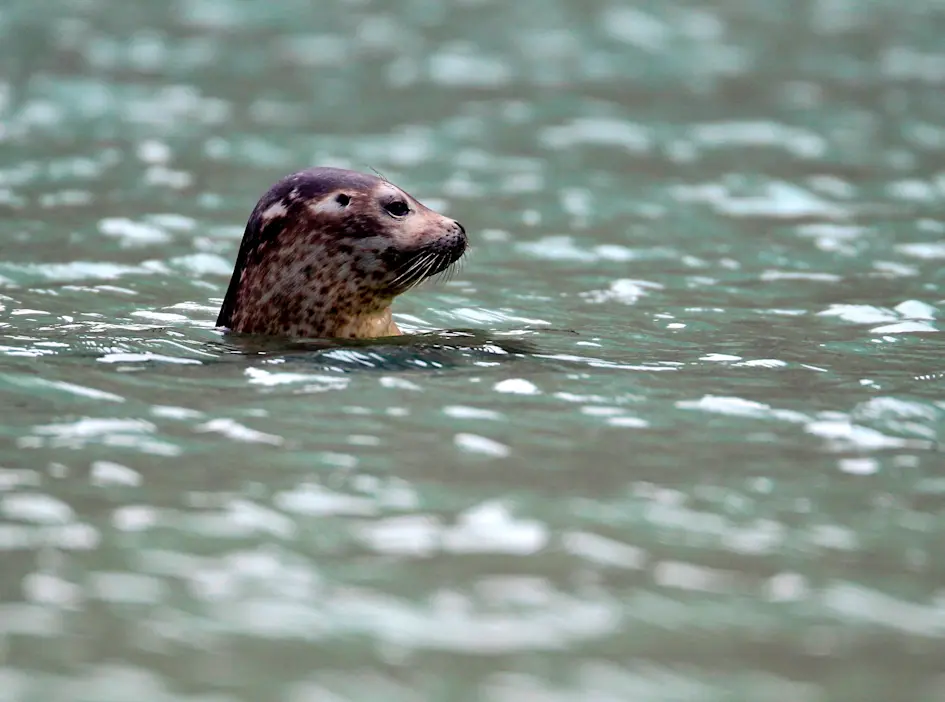
While polar bears are the Arctic’s most famous animals, Svalbard is teeming with other resilient wildlife, both inland and along the coast. On an adventure cruise, you might spot walruses or ring seals. If you’re lucky, you might even spot a beluga or a minky whale swimming nearby. On hikes and tours, you’re more likely to spot the stocky, grey-coated Svalbard reindeer we love so much in Longyearbyen, or a sneaking Arctic fox
Does the weather change with the seasons?
Svalbard has a dry High Arctic climate, with brisk, chilly temperatures year-round. Summer highs typically range from 3°C to 10°C, while winter temperatures regularly fall between -13°C and -30°C, dropping as low as -30°C in March, so visitors should expect cold conditions year-round.
Winter weather
In winter, Svalbard’s peaks and valleys receive fresh snowfall. It’s also the archipelago’s windiest season, and strong gales can make it feel much colder than the actual temperature. Pack appropriately and dress in layers to stay comfortable outdoors.
Summer weather
In summer, temperatures gradually rise above freezing, leading to increased rainfall. On clear days, crisp blue skies create ideal conditions for hiking and other outdoor activities. Along the coastline, fog often rolls in as sea ice melts, particularly around glaciers, but it can clear again within a few hours. During your stay, it’s worth following the daily weather conditions so you can plan your activities accordingly.
Wondering what to pack for your stay?
Our comprehensive packing guide covers everything you need to know to prepare for your visit with confidence. We’ve included everything from must-have outerwear and base layers to the accessories worth buying so you’re Svalbard-ready.