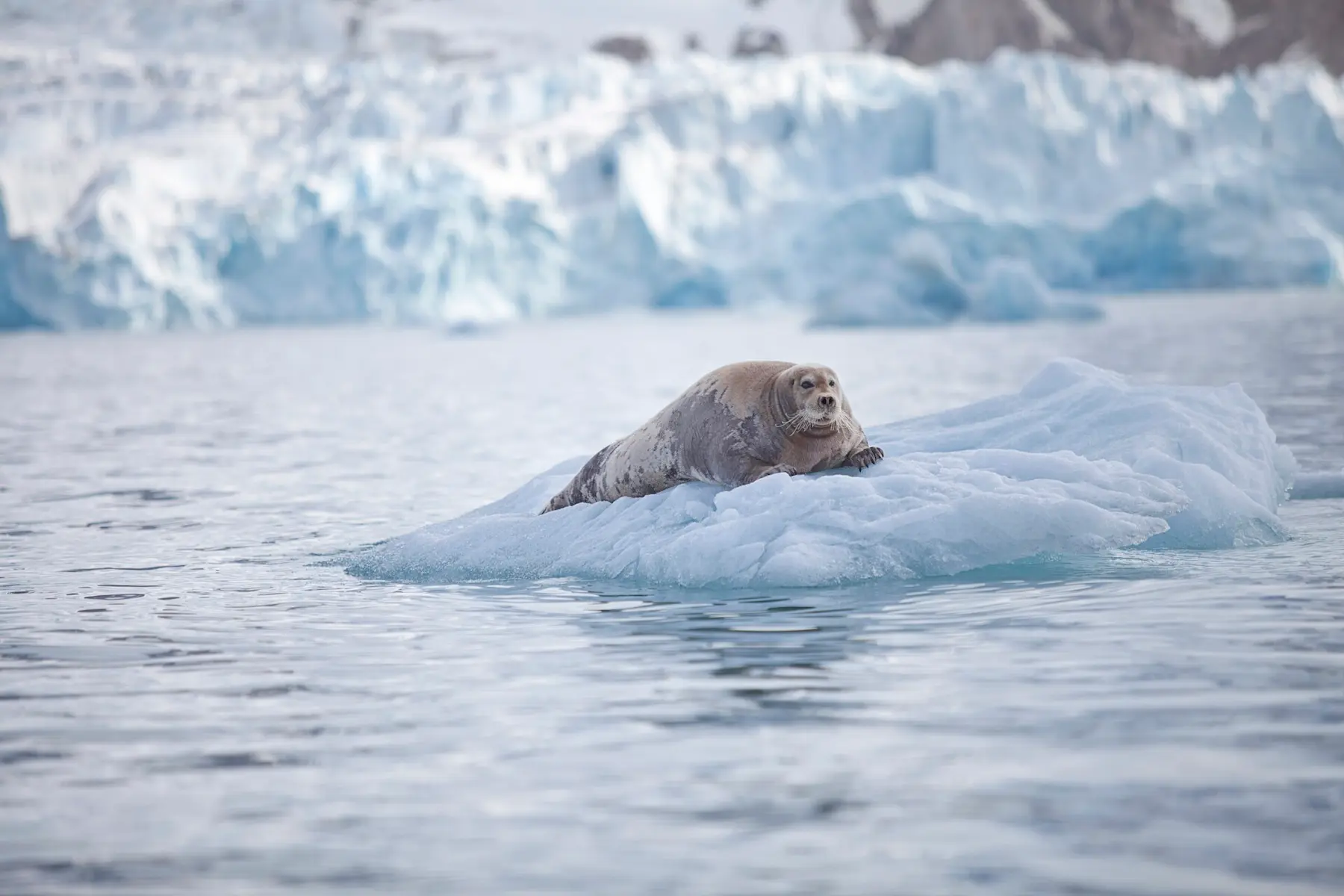
Environmental responsibility on Svalbard
Svalbard is more than a destination – it’s an Arctic environment that deserves care and respect.
Operating on Svalbard comes with a responsibility to consider our impact on the environment and the communities around us. At Hurtigruten Svalbard, we work to understand and reduce the environmental impact of our operations, while contributing to the local community
How we work with environmental responsibility
From reducing food waste to producing renewable energy locally, we are taking practical steps across our hotels, restaurants and activities.
Explore some of the initiatives and measures currently in place:

Hospitality
Find out how our hotels and restaurants work with initiatives including food sourcing, waste reduction and energy use.
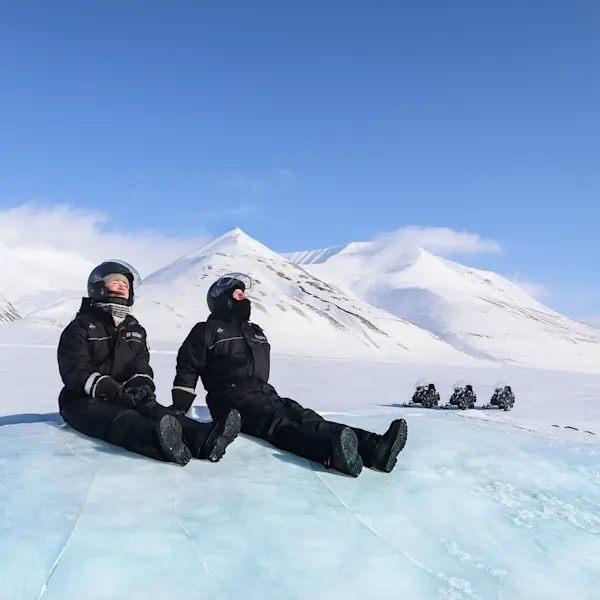
Activities and operations
Learn more about initiatives across our activities, including electric snowmobiles, local renewable energy production and the hybrid-electric catamaran MS Bard.
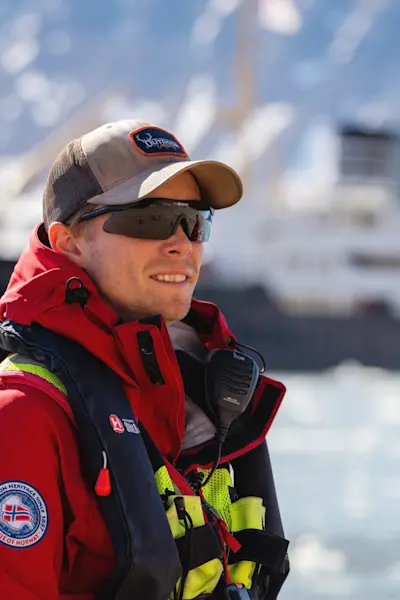
Our People
Meet some of the people behind our experiences and learn more about the local knowledge and expertise within our team.
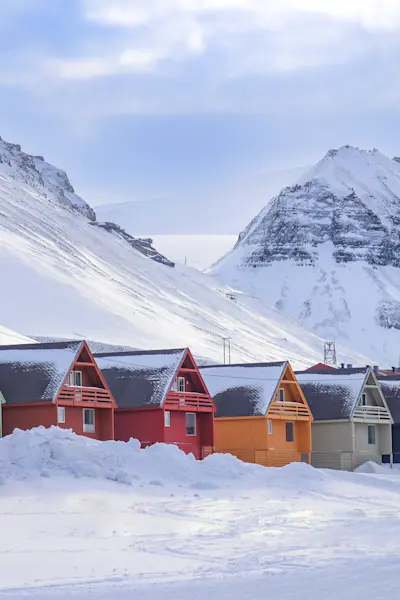
Our Community
Discover some of the projects, partnerships and sponsorships through which we contribute to the local community.
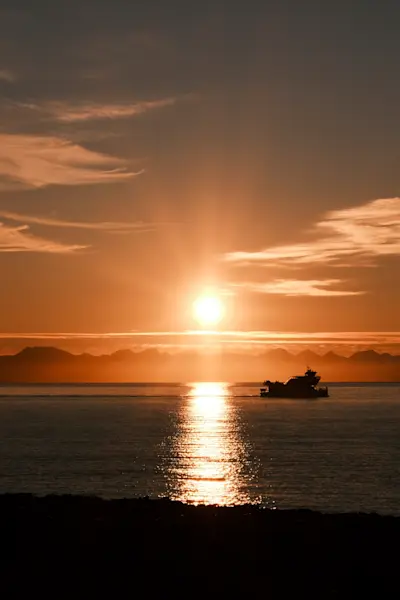
Hurtigruten Svalbard ESG Report
Read more about our environmental, social and governance work, including our initiatives, progress and reporting.
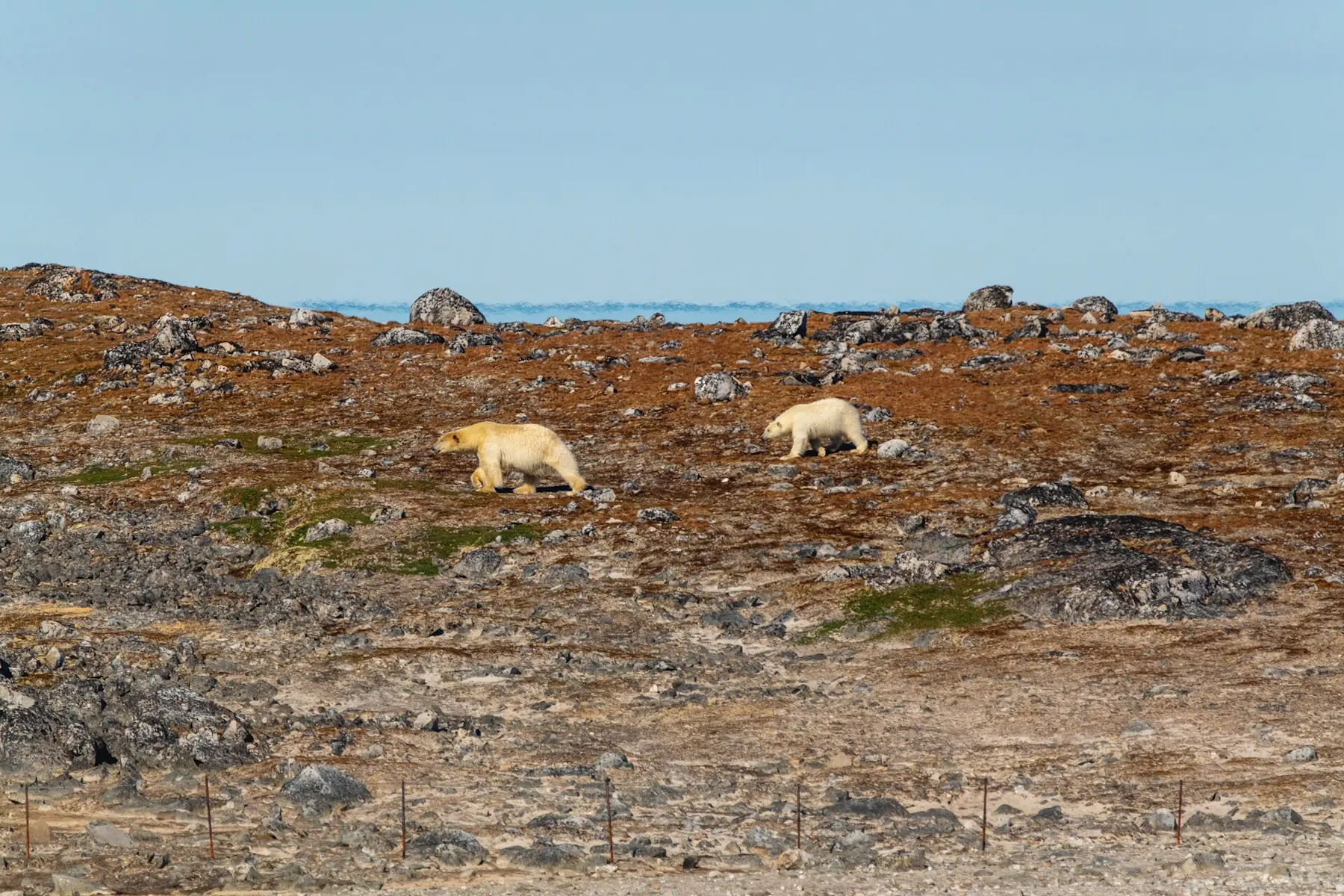
Environmental regulations on Svalbard
From 1 January 2025, new environmental rules came into effect on Svalbard. These changes aim to protect the Arctic's fragile ecosystem while allowing visitors to enjoy everything this special destination offers.
ISO Certified: What does it mean?
Hurtigruten Svalbard holds ISO 9001:2015 and ISO 14001:2015 certifications.
ISO 9001:2015 is an internationally recognised standard for quality management systems. Our certification reflects the processes we have in place to manage and continuously improve the quality of our operations.
ISO 14001:2015 is an internationally recognised standard for environmental management systems. Our certification reflects the systematic approach we use to identify, manage and improve the environmental aspects of our operations.
These certifications relate to our management systems and processes and support our work with continuous improvement across the business.

Why environmental responsibility matters on Svalbard
Svalbard is home to wildlife including reindeer, Arctic foxes, polar bears and numerous marine and bird species. It is also an Arctic environment experiencing significant changes as the climate warms. For us, environmental responsibility means identifying where our operations have an impact and taking practical steps to manage and reduce that impact where possible.

Some of the measures we have introduced
Here are a few examples of initiatives currently in place across our operations:
Green Stay initiative: Guests can choose to skip daily room cleaning. For each room and each day cleaning is declined, we donate NOK 5 to the Hurtigruten Foundation.
Sharing local knowledge: Our guides introduce guests to Svalbard's nature, wildlife, history and local environment, while explaining the guidelines guests are expected to follow when travelling in the Arctic.
Renewable energy production: Solar panels and a wind turbine generate electricity used in our operations. In 2025, our solar power systems generated 127 760 kWh of electricity. Together with the wind turbine, locally produced renewable electricity accounted for approximately 7% of our total electricity consumption.
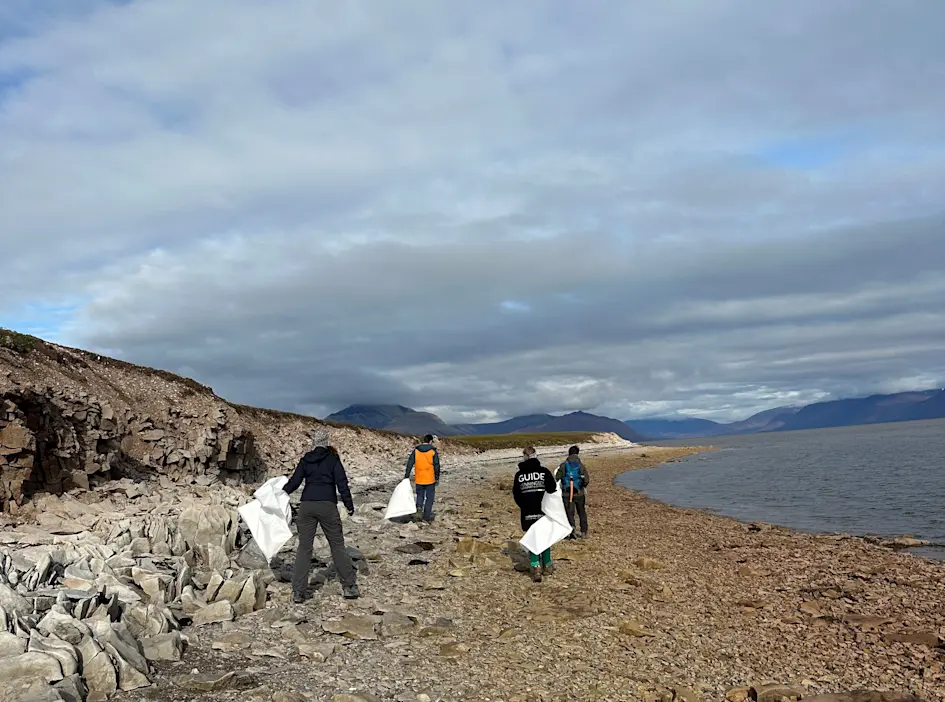
The Hurtigruten Foundation
The Hurtigruten Foundation supports projects that make a real difference for Svalbard’s environment and its community. From beach clean-ups to training avalanche rescue dogs and hosting community events, the foundation ensures Svalbard continues to thrive.
Read moreClimate change on Svalbard
Climate change is already affecting Svalbard, with rising temperatures influencing glaciers, sea ice, ecosystems and wildlife.
Understanding these changes is an important part of understanding Svalbard itself. During our activities, our guides share knowledge about the Arctic environment and the changes taking place here.
What can you do? During your stay, you can help limit your local impact by following guidance from our teams, respecting wildlife and designated areas, reducing unnecessary waste and making use of lower-impact options where these are available.
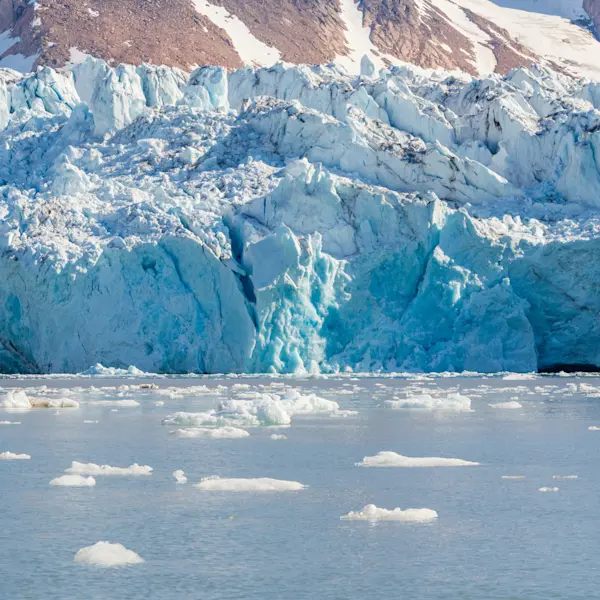
Taking part in the First Mile Initiative
Hurtigruten Svalbard is a participant in the First Mile Initiative, an EU-funded project exploring how behavioural approaches can make lower-impact choices more accessible to tourism businesses and travellers.
Read moreTravel responsibly: Read the Svalbard Guidelines
We encourage all visitors to familiarise themselves with the Svalbard Guidelines before arrival. By following these principles, you help protect the fragile Arctic environment and support tourism that is safe, respectful and sustainable for the future.